Best Mouthwash for Tooth Pain – What Actually Works?
Tooth pain can ruin your day, your meal, and your sleep. You want fast relief. But can a simple rinse help? Yes – if you pick the best mouthwash for tooth pain. Not all mouthwashes are equal. Some sting. Others soothe. This guide breaks down which formulas work, what to use after extraction, and when to avoid rinsing altogether.
Best Mouthwash After Tooth Extraction – Gentle Healing Matters
After a tooth pull, your mouth needs gentle care. Harsh rinses can delay healing or even cause dry socket. So what is the best mouthwash after tooth extraction? Most dentists recommend starting with warm salt water. Mix one teaspoon of salt in a cup of warm water. It cleans naturally and reduces swelling.
When to Start Using Mouthwash Post-Extraction
Do not rinse right after surgery. Wait 24 hours. Then, use a very gentle motion – no swishing. Just tilt your head side to side. After day three, you can switch to an alcohol-free antiseptic mouthwash. Look for chlorhexidine if your dentist prescribes it. Never use whitening or strong mint rinses early on.
Can I Use Mouthwash After Wisdom Tooth Extraction? Yes, But Carefully
Many people ask, can i use mouthwash after wisdom tooth extraction? The answer is yes, but with rules. Wisdom tooth sites are deeper and more prone to infection. Wait 48 hours. Use only alcohol-free, antibacterial rinse. Saline is safest. Avoid anything with hydrogen peroxide for the first week. And do not spit hard – let the rinse fall out gently.
Top Ingredients to Look For in Pain-Relief Mouthwash
Not every mouthwash helps with pain. You need active ingredients that fight bacteria and calm inflammation. Here are three proven ones:
-
Cetylpyridinium chloride (CPC) – Kills plaque bacteria without alcohol. Great for sensitive teeth.
-
Chlorhexidine gluconate – Prescription-strength. Best for post-extraction or severe gum pain.
-
Essential oils (thymol, eucalyptol, menthol) – Found in Listerine. They reduce bacteria but may burn if you have open sores.
Avoid mouthwashes with high alcohol (over 15%). They dehydrate gums and can worsen tooth nerve pain.
How to Use Mouthwash for Tooth Pain – Step by Step
Using mouthwash wrong can hurt more than help. Follow these short steps:
-
Brush and floss first – mouthwash is not a substitute.
-
Pour 20ml (about 4 teaspoons) into a cup.
-
Swish gently for 30 seconds. Do not gargle aggressively.
-
Spit it out. Do not swallow.
-
Wait 30 minutes before eating or drinking.
For tooth pain, rinse twice daily. If you feel sharp pain during rinsing, stop immediately. That could mean a deep cavity or cracked tooth.
FAQ – Quick Answers for Tooth Pain & Mouthwash
Can I use mouthwash on an abscess tooth?
Only if it’s alcohol-free and antibacterial. Warm salt water is safer. An abscess is an infection that needs a dentist. Mouthwash won’t cure it, but it can reduce surface bacteria temporarily. Do not delay professional treatment.
What’s the best drugstore mouthwash for toothache?
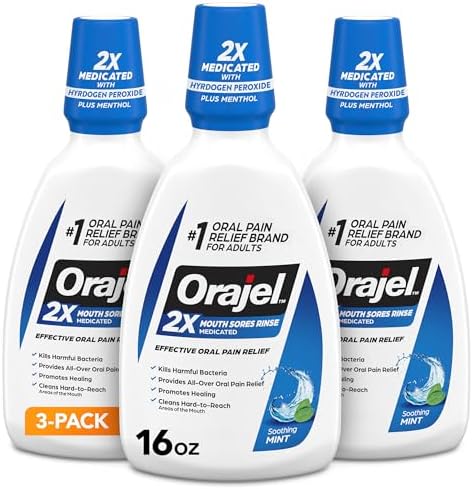
Look for Colgate Peroxyl (hydrogen peroxide) for minor irritation, or Crest Pro-Health (alcohol-free CPC). Both are affordable and easy to find. Avoid whitening formulas – they often contain peroxide that can irritate exposed dentin.
How long does mouthwash take to relieve tooth pain?
You may feel relief within 1–2 minutes from cooling or numbing ingredients like clove oil or menthol. But the antibacterial effect builds over 12 hours of regular use. For sudden severe pain, see a dentist – mouthwash is not a long-term fix.
Can children use mouthwash for tooth pain?
Only if age 6 or older, and always under adult supervision. Use an alcohol-free, fluoride rinse designed for kids. For baby tooth pain, a salt water rinse is safest. Consult a pediatric dentist before using any medicated rinse.
#ToothPainRelief #AlcoholFreeMouthwash #PostExtractionCare