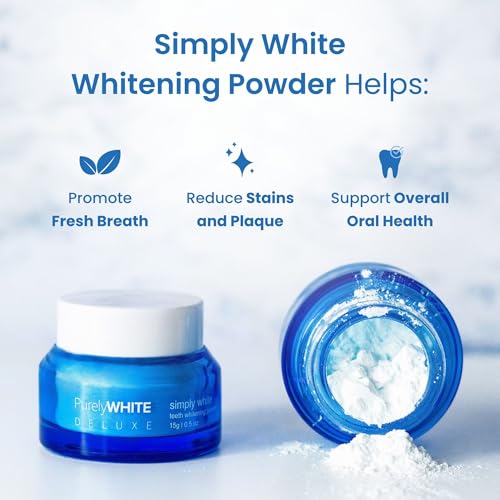
Teeth Whitening Powder vs Toothpaste: What’s Inside & Who Should Use Which?
You want a whiter smile, but the drugstore aisle is confusing. Should you pick teeth whitening powder or stick with teeth whitening toothpaste? Both promise brighter teeth, but they work differently. The secret is in their ingredients and how you use them. Let’s break it down in plain English, so you can choose the right one for your daily routine.
What Makes Them Work? Ingredients Explained
Whitening products rely on two main actions: scrubbing off surface stains or breaking down stain molecules.
-
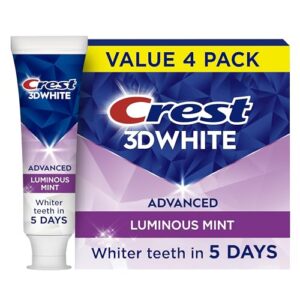
Teeth whitening toothpaste usually contains mild abrasives like hydrated silica or baking soda. Some add low-concentration hydrogen peroxide or blue covarine (a optical brightener that makes teeth look less yellow instantly). These ingredients gently polish teeth over time.
-
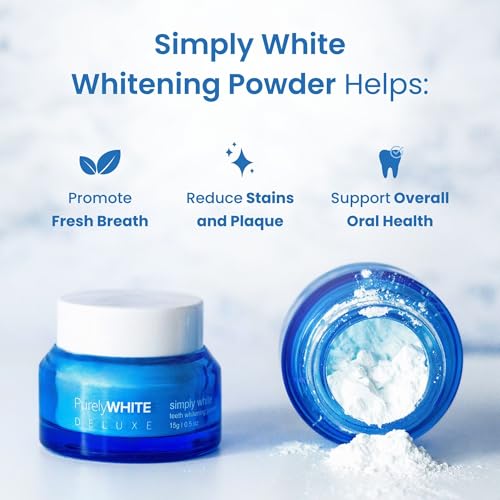
Teeth whitening powder often uses stronger abrasives such as activated charcoal, calcium carbonate, or diatomaceous earth. Some powders include sodium bicarbonate (baking soda) or even fruit enzymes. They physically scrape stains off enamel – faster but rougher.
So, toothpaste = gentle daily cleaner. Powder = heavy-duty stain remover.
Youbuy Teeth Whitening Powder Reviews: What Users Say
Many online shoppers look up youbuy teeth whitening powder reviews before buying. Common feedback: “My coffee stains faded in one week.” Others say, “It works, but my gums felt sensitive if I rubbed too hard.” Most users recommend using it only 2–3 times a week, not every day. For heavy smokers or tea drinkers, the powder gets better results than any toothpaste they tried.
Whitening Powder – Best for Stubborn Stains & Occasional Use
Use powder when you have built-up stains from coffee, tea, red wine, or tobacco. It’s also great before a big event (wedding, job interview) because you see a difference in 3–5 uses. But don’t use it if you have sensitive teeth, receding gums, or enamel erosion. People with braces or permanent retainers should skip powder – it can get stuck and damage glue.
Suitable crowd: Adults with strong enamel, occasional users, stain removers.
Whitening Toothpaste – Best for Daily Maintenance & Sensitive Smiles
Toothpaste is your everyday friend. It prevents new stains while gently lifting old ones. Perfect for people with sensitive teeth, young adults, or anyone who wants a simple morning-night routine. No extra steps. It’s also safe for most braces and veneers (check your brand). The results are slower but steady – think 2 shades lighter in a month.
Suitable crowd: Daily brushers, sensitive mouths, teenagers, veneer wearers.
FAQ (Frequently Asked Questions)
1. Can I use teeth whitening powder every day?
No, most powders are too abrasive for daily use. Limit to 2–3 times per week to avoid wearing down enamel. Your teeth may feel rough or sensitive if overused.
2. Does whitening toothpaste actually change tooth color?
Yes, but only surface stains. It won’t lighten natural tooth color like professional bleaching. For mild yellowing, it works well. For deep gray or brown stains, try powder or see a dentist.
3. Which is cheaper in the long run?
Powder jars (e.g., $15–25) last months because you use less. Toothpaste tubes ($5–15) run out faster if you brush twice daily. Powder is often cheaper per use.
4. Can pregnant women use whitening powder?
Most dentists say avoid abrasive powders and peroxide products during pregnancy due to gum sensitivity and lack of safety studies. Stick to regular fluoride toothpaste.
5. How do I know if a whitening product is too harsh?
If your teeth feel “rough” like sandpaper, or you see increased cold sensitivity, stop. Switch to a sensitivity toothpaste for a week. Your enamel may be thinning.
#teethwhiteningpowder #whiteningtoothpaste #dentalcarecomparison