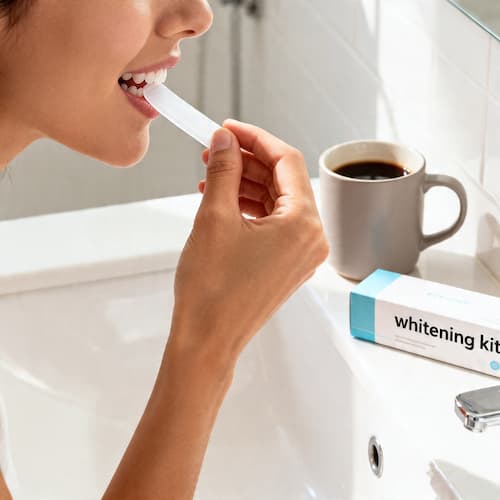
How to Whiten Coffee-Stained Teeth at Home – A Simple Guide for Women
If you love your morning coffee but hate what it does to your smile, you’re not alone. Coffee-stained teeth are a common problem for millions of women who drink coffee daily. Over time, the dark pigments in coffee (tannins) cling to tooth enamel, creating dull yellow or brownish stains. The good news? You don’t need expensive dental appointments to fix this. With the right home whitening products and a little patience, you can restore a brighter, more confident smile.
How to Whiten Coffee-Stained Teeth Using Everyday Home Products
Whitening Strips – The Quickest Fix
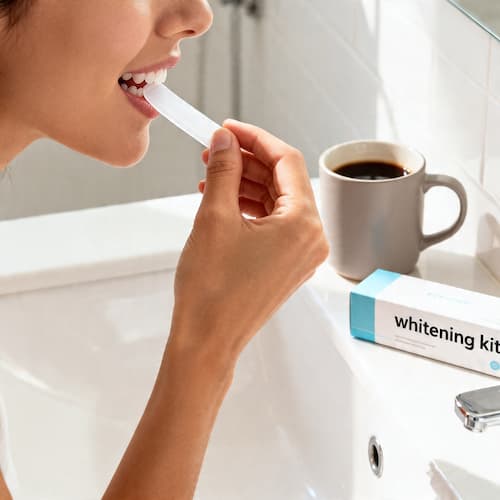
Whitening strips are thin, flexible plastic strips coated with a peroxide-based gel. They’re easy to use: apply one strip to your upper teeth and one to your lower teeth, leave on for 30 minutes, then remove. Most brands show results in 7–10 days. For moderate coffee-stained teeth, choose strips with 10–14% hydrogen peroxide. Avoid eating or drinking for 30 minutes after removal to let the gel keep working. Hismile V34 Whitening Strips
LED Whitening Kits – Tech-Powered Brightening
LED home kits include a mouth tray filled with whitening gel and a small light device. You place the tray in your mouth and turn on the LED light for 10–20 minutes. The light activates the gel’s bleaching agents, breaking down deep coffee stains faster than strips alone. Many women see a 2–3 shade improvement after one week of daily use. Look for kits with carbamide peroxide (around 16–22%) for safe, effective results. Auraglow Teeth Whitening Kit
Whitening Toothpaste & Baking Soda – Gentle Daily Maintenance
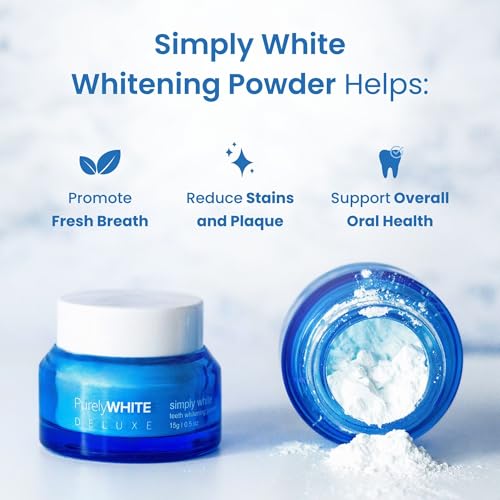
For light coffee-stained teeth, a whitening toothpaste with low abrasives can gradually lift surface stains. Use it twice daily. For a DIY boost, mix half a teaspoon of baking soda with a few drops of water to form a paste. Brush gently for 2 minutes, then rinse thoroughly. Limit baking soda to 2–3 times per week—overuse can wear down enamel. This method won’t give dramatic whitening but helps maintain results between stronger treatments.Crest 3D Whitening Toothpaste
FAQ (Frequently Asked Questions)
1. Can I use coconut oil pulling for coffee-stained teeth?
Coconut oil pulling may reduce bacteria and surface stickiness, but it doesn’t chemically whiten teeth. Swish one tablespoon of coconut oil in your mouth for 10–15 minutes daily. It’s a safe, natural supplement but won’t remove established coffee stains like peroxide products will.
2. How often should I whiten coffee-stained teeth at home?
Follow product instructions carefully. Most strips and gels are safe for once-daily use for 7–14 days, then once weekly for maintenance. Over-whitening can cause tooth sensitivity and gum irritation. If you feel sharp pain, take a 2–3 day break.
3. Will whitening products damage my enamel?
Reputable home whitening products with regulated peroxide levels (under 10% for strips, under 22% for gels) are enamel-safe when used as directed. Avoid DIY hacks like lemon juice or pure bleach, which erode enamel quickly. Always finish with a fluoride rinse to strengthen teeth.
4. Can I drink coffee while whitening my teeth?
It’s best to avoid coffee for at least 48 hours after starting a whitening treatment. If you can’t quit, drink through a straw and rinse your mouth with water immediately after. Better yet, switch to white tea or reduce coffee intake during the whitening period for faster results.
5. What’s the cheapest way to whiten coffee-stained teeth at home?
Whitening toothpaste combined with baking soda (2–3 times weekly) is the most budget-friendly option at under $10 total. For about $20–30, drugstore whitening strips offer noticeably better results. Avoid dollar-store “whitening” pens with no active ingredients.
#HomeTeethWhitening #CoffeeStainsRemoval #DIYSmileBrightening
Relate Post
Best Whitening Kit for Sensitive Teeth: Safe & Fast