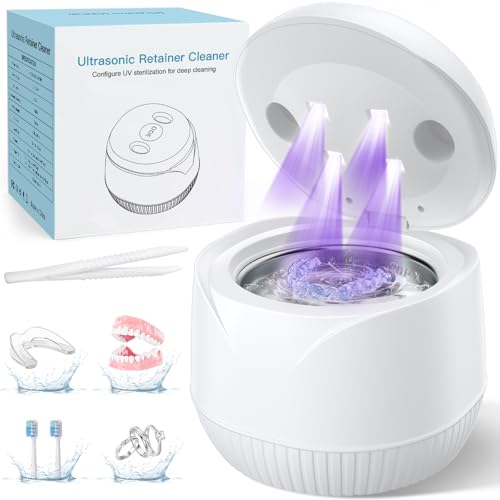

- 45KHZ DEEP ULTRASONIC CLEANING: Experience professional-grade cleaning at home with high-frequency 45kHz ultrasonic wave…
- UV LIGHT FOR CLEANER & FRESHER APPLIANCES: Built-in 254nm UV lights help remove odors and surface buildup, keeping your …
- DUAL CLEANING MODES FOR EVERY NEED: Choose between a 5-minute quick clean for daily refresh or a 10-minute enhanced clea…
Denture Care – How to Keep Your False Teeth Clean and Comfortable
Dentures are not like real teeth. They are softer and more delicate. If you clean them the wrong way, you can scratch or warp them. That’s why proper denture care matters. A good routine prevents stains, bad breath, and gum infections. In this guide, you’ll learn how to care for dentures step by step and which denture care products actually work.
How to Care for Dentures – A Simple Daily Routine
Learning how to care for dentures is easy. Follow these five steps every day. It takes less than five minutes.
Step 1 – Remove and Rinse After Eating
After each meal, take out your dentures. Run cool or lukewarm water over them to wash away food pieces. Never use hot water – it can warp the plastic. Hold them firmly but gently. Don’t drop them. A folded towel in the sink softens the fall if you slip.
Step 2 – Brush Gently with a Soft Brush
Use a brush made for dentures. It has softer, rounded bristles. Avoid regular toothbrushes. Apply a denture care product like a non‑abrasive paste or mild liquid soap. Do not use regular toothpaste – it scratches. Brush all surfaces: the teeth, the pink gum part, and the edges. Rinse again.
Step 3 – Soak Overnight in Cleaner or Water
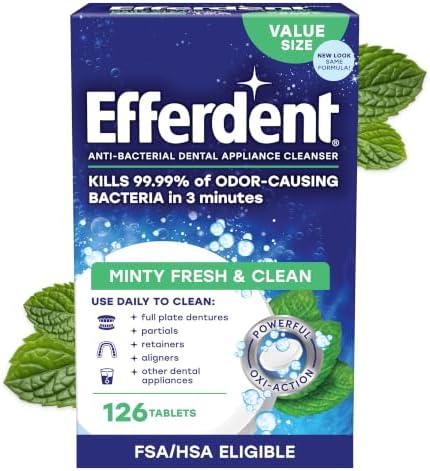
Dentures must stay moist. If they dry out, they lose their shape. Place them in a glass of water or a denture‑soaking solution. Use a tablet like Polident or Efferdent once a day to kill bacteria and remove stains. In the morning, rinse them well before putting them back in.
Step 4 – Clean Your Mouth Too
Denture hygiene is not just about the fake teeth. Your gums, tongue, and the roof of your mouth also need care. Use a soft toothbrush or a wet gauze pad. Gently wipe your mouth to remove plaque and stimulate blood flow. This step prevents sore spots and fungal infections like thrush.
Step 5 – See Your Dentist Every Year
Even if your dentures feel fine, get them checked annually. Your jawbone and gums change over time. Dentures that don’t fit can cause sores or slipping. A dentist can adjust the fit and professionally clean your dentures. Never try to adjust them yourself.
Best Denture Care Products – What to Buy
You don’t need many products, but the right ones make a big difference.
Must‑Have Items
-
Soft denture brush – Two‑sided with a small head. About $4.
-
Non‑abrasive denture paste – Brands like Polident or Efferdent. $5.
-
Daily cleansing tablets – Drop in water. Fizzes away stains. $6 for 90 tablets.
-
Storage case with lid – Keeps dentures safe and moist. $3.
-
Adhesive remover wipes – If you use denture glue, these wipes clean off residue without scratching.
Nice‑to‑Have Items
-
Ultrasonic cleaner – Uses sound waves to deep‑clean. Great for heavy stains. $30–$60.
-
Microwave denture cleaner – A small cup that goes in the microwave. Kills germs fast. $15.
Avoid bleach, vinegar (unless for hard acrylic only), and very hot water.
Denture Hygiene Oral Care Instructions Keywords – Quick Checklist
Here’s a one‑page summary of denture hygiene oral care instructions keywords for quick reference:
-
Brush daily – Soft brush, non‑abrasive paste.
-
Rinse after meals – Cool water only.
-
Soak overnight – Water or cleaning tablet.
-
Never sleep in dentures – Gums need rest.
-
Clean your mouth – Gums, tongue, palate.
-
Annual dentist visit – Fit check and deep clean.
-
No hot water – Warps plastic.
-
No regular toothpaste – Scratches surface.
FAQ – Quick Answers for Denture Wearers
Can I soak dentures in mouthwash?
No. Most mouthwashes contain alcohol and artificial colors that can stain or dry out denture materials. Use only products labeled for denture soaking. A short rinse with alcohol‑free mouthwash is fine, but never soak overnight.
How do I remove hard plaque from dentures?
Try a denture‑soaking tablet for 15 minutes, then brush with a soft brush. For stubborn buildup, use an ultrasonic cleaner. Do not scrape with metal tools or sharp objects – you’ll scratch the surface. If plaque remains, see your dentist for professional cleaning.
What happens if I don’t clean my dentures daily?
Bacteria, fungus, and food debris build up. This leads to bad breath, gum inflammation, and oral thrush (white patches). Stains become permanent. Over time, dentures may develop a foul smell that soaking alone cannot fix. Daily cleaning prevents all these problems.
Can I use vinegar to clean dentures?
Only for hard acrylic dentures without metal parts. Soak in a 50/50 vinegar and water solution for 15 minutes, then rinse well. Do not use on soft liners or dentures with metal clasps – vinegar corrodes metal. Never soak overnight. A commercial denture tablet is safer.
How long do dentures last with good care?
With proper denture care, they last 5 to 7 years on average. After that, your jawbone changes shape and the fit becomes loose. You may need a reline or replacement. Daily cleaning and annual dentist checks extend their life.
#DentureCare #HowToCareForDentures #DentureHygiene