Tongue Scraper vs Brush: Which One Is Right for You?
Your tongue holds most of the bacteria that cause bad breath. But should you use a tongue scraper or a tongue brush? Many people don’t realize these two tools work differently. Let’s compare tongue scraper vs brush so you can pick the best one for your morning routine.
What’s the Difference Between a Tongue Scraper and a Tongue Brush?
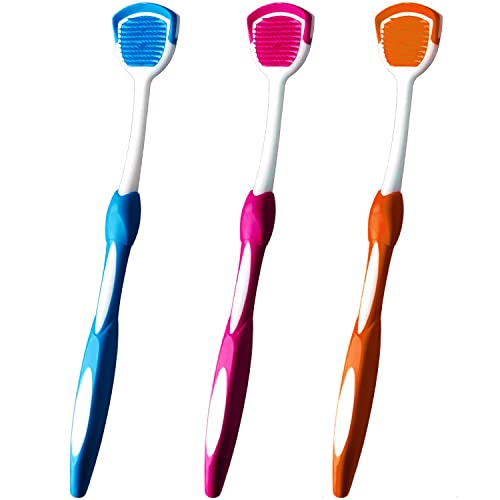
A tongue scraper is a simple U-shaped or straight tool, often made of metal or plastic. You gently pull it from the back of your tongue forward. It removes the white coating in one smooth motion.
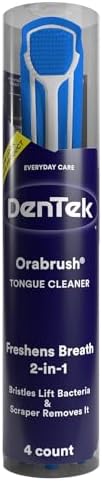
A tongue brush looks like a toothbrush but with a wider head and low-profile bristles. Some models combine a brush with a scraper on the back – that’s the brush with tongue cleaner design you see in stores.
Tongue Scraper: Best for Heavy Coating and Bad Breath
If you wake up with a thick white layer on your tongue, choose a scraper. It removes up to twice as much biofilm as a brush. Scrapers are also easier to clean – just rinse under water. They work great for people who want quick, effective results without spending extra time.
Best for: Adults with chronic bad breath, heavy smokers, coffee drinkers, and anyone who wants the most bacteria removal in 10 seconds.
Tongue Brush: Best for Sensitive Mouths and Gentle Daily Use
A tongue brush feels softer. The bristles gently lift debris without the “squeaky” feeling some people dislike. If you have a sensitive tongue or gums, a brush is kinder. It’s also perfect for kids learning oral hygiene. Many toothbrushes now come with a built-in brush with tongue cleaner on the back – a handy 2-in-1 option for travel or small bathrooms.
Best for: People with a mild gag reflex (bristles feel less invasive), beginners, kids, and those who prefer one tool for teeth and tongue.
When to Use Tongue Scraper vs Brush? Scenarios Compared
| Scenario | Recommended Tool |
|---|---|
| Morning bad breath | Tongue scraper |
| After spicy or dairy meals | Tongue scraper |
| Sensitive gag reflex | Tongue brush (soft) |
| Quick cleanup before a meeting | Tongue scraper |
| Kids age 5–12 | Tongue brush |
| Traveling (lightweight) | Tongue scraper (metal) |
| Part of electric toothbrush routine | Tongue brush attachment |
Can You Use Both? Yes – Here’s How
Start with a tongue scraper once a day (morning) for deep cleaning. Then use a tongue brush with a little alcohol-free mouthwash on the bristles for a fresh, massaged feel. This combo takes 30 seconds and beats using either tool alone.
FAQ
1. Does a tongue scraper hurt?
No, when used gently. Apply light pressure – you should feel a wipe, not a scratch. Metal scrapers feel smoother than plastic. If it hurts, you’re pressing too hard.
2. Can a tongue brush replace a toothbrush?
No. A tongue brush is only for your tongue. Always brush teeth separately with fluoride toothpaste. Some toothbrushes have a brush with tongue cleaner on the reverse side – that’s fine for both.
3. Which is more hygienic – scraper or brush?
Scrapers win. Metal or hard plastic scrapers don’t trap bacteria like bristles do. Rinse after each use and deep-clean weekly with soap. Replace brushes every 2–3 months.
4. How do I clean my tongue scraper?
Rinse under hot water immediately after use. Once a week, soak in hydrogen peroxide or rubbing alcohol for 5 minutes, then rinse. Metal scrapers can go in the dishwasher (top rack).
5. Will either tool cure bad breath permanently?
No. Bad breath often comes from gums, tonsils, or stomach issues. But using a tongue scraper daily removes the #1 cause – tongue coating. Combine with flossing and brushing for best results.
#tongue scraper benefits
#brush with tongue cleaner guide
#oral hygiene tools comparison