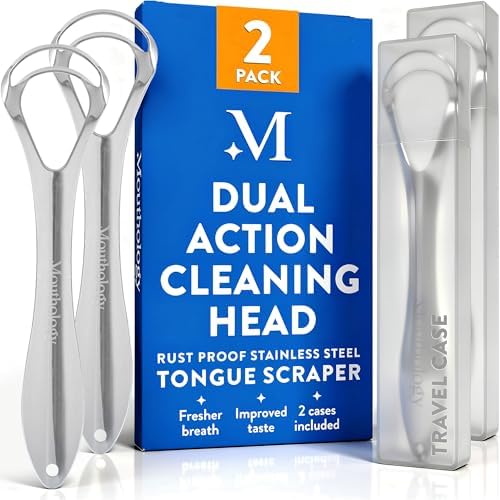
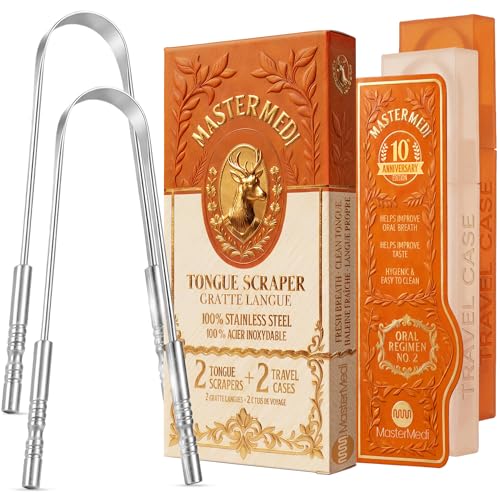
- GET RID OF GUNK & BAD BREATH: Whether you are trying to clear out the white, coated layer on your tongue or maintain bet…
- STAINLESS STEEL TONGUE SCRAPER: This gentle tongue cleaner helps maintain oral hygiene by removing tongue coating and su…
- ERGONOMIC DESIGN AND EASY TO USE: Our metal tongue scraper with the ‘U’ shaped curve is flexible enough to twist and tur…
How to Use a Tongue Scraper – Simple Steps for a Cleaner, Fresher Mouth
You brush your teeth twice a day, maybe even floss. But have you ever taken a good look at your tongue? That white or yellowish coating is a mix of bacteria, food debris, and dead cells – and it’s a major cause of bad breath. Using a tongue scraper (like an Orabrush tongue scraper or a quality stainless steel version) takes only seconds and makes a huge difference. I’ve been using one for years, and once you try it, you’ll wonder why you waited so long. Let me walk you through exactly how to use a tongue scraper the right way – no gagging, no fuss, just a noticeably cleaner mouth.
Why Bother with a Tongue Scraper?
Think of your tongue like a shaggy carpet. A toothbrush can’t really get between those tiny bumps (papillae), so bacteria just hangs out and multiplies. That buildup leads to bad breath, dulled taste buds, and even affects your overall oral health. A dedicated tongue scraper or tongue brush gently removes that layer in one or two swipes. The Mouthology Tongue Scraper (the one I’ll be referencing here) is made of 100% stainless steel – it’s rust-proof, easy to clean, and way more effective than those flimsy plastic ones.
Step-by-Step: How to Use a Tongue Scraper
Follow these four simple steps. The whole process takes less than 20 seconds, and you’ll do it right after brushing your teeth.
1. Rinse and Ready
First, rinse the tongue scraper under warm water. This removes any dust and warms the metal slightly (cold stainless steel can feel a bit surprising on your tongue – nothing bad, just a heads-up). Stick your tongue out as far as comfortable. You don’t need to strain; just enough to see the coating.
2. Start from the Back – Gently
Place the rounded edge of the scraper at the very back of your tongue. Not so far that you gag – find your sweet spot. Apply light, even pressure and pull the scraper forward all the way to the tip. You’ll see a cloudy streak of gunk on the scraper. That’s the biofilm you just removed. Rinse the scraper under the tap.
Pro tip: If you have a sensitive gag reflex, try humming or breathing through your nose as you scrape. Some people also start from the middle and work backward gradually. Don’t press hard – the stainless steel edge does the work, not your arm muscles.
3. Repeat 2–3 Times
One pass won’t get everything. Do two or three gentle scrapes, rinsing the scraper each time. You’ll notice less residue with each pass. When your tongue looks pink and feels smooth, you’re done.
4. Clean Your Tongue Scraper and Store It
This is where a stainless steel tongue scraper shines. Unlike plastic scrapers that can get scratched and harbor bacteria, this one is super easy to clean. Simply rinse it under hot water, or for a deeper clean, soak it in a cup of water with a denture tablet or a slice of lemon for a few minutes. Then dry it thoroughly with a towel and place it in the included travel case. That case is a lifesaver – I keep one scraper at home and toss the other in my dopp kit for trips.
What to Expect After Using a Tongue Scraper
Right after your first scrape, your mouth will feel noticeably cleaner. That fuzzy, coated sensation disappears. Over a few days, you’ll also notice:
-
Fresher breath that lasts longer (no more “morning mouth” by 10 AM).
-
Better taste – food actually tastes more vibrant because the gunk isn’t blocking your taste buds.
-
A whiter-looking tongue, which just looks healthier.
One user shared that after switching from plastic scrapers to this Mouthology 2-pack, their mouth felt “fresher and cleaner” and it “definitely helps cut down on bad breath.” They did note the handles are a bit thin – so don’t squeeze too hard, and it won’t bother you.
FAQ About Orabrush Tongue Scraper and Tongue Scraping
Is a tongue scraper safe for kids?
Yes, absolutely. The Mouthology Tongue Scraper is designed for both adults and kids. For children under 10, you should supervise them to make sure they don’t press too hard or scrape too far back. The stainless steel is durable but not sharp – it’s rounded and safe. Many families buy a pack so everyone has their own.
How often should I replace a stainless steel tongue scraper?
You don’t – that’s the beauty of quality stainless steel. Unlike plastic scrapers that warp or grow bacteria in tiny scratches, this one is rust-proof and built to last. The company offers a lifetime warranty: if anything happens to your scraper, just message their USA-based support team, and they’ll send you a replacement at no cost. Clean it properly, and it’ll outlive your toothbrush many times over.
Will scraping hurt my tongue or damage taste buds?
Not if you do it gently. Your taste buds are tough little structures – scraping lightly won’t harm them. In fact, removing the coating improves taste function. The only time you might feel sore is if you scrape too hard or use a scraper with rough edges. This 100% stainless steel scraper is smooth and polished. If you have a canker sore or an irritated tongue, skip scraping for a day or two until it heals.
Can I use a tongue scraper if I have a sensitive gag reflex?
Yes, and many people with a strong gag reflex actually prefer a scraper over a toothbrush (which tends to trigger gagging more). Start from the middle of your tongue and work your way back slowly. Breathe out through your mouth as you scrape – this distracts your brain. Also, try scraping right after you wake up, before eating or drinking anything. Over time, your reflex becomes less sensitive.
How do I sanitize my tongue scraper between uses?
The easiest way: rinse with hot water and dry it completely before storing in the travel case. Once a week, soak it in a mixture of 1 part white vinegar to 3 parts water for 10 minutes, then rinse. Or use a denture cleaning tablet in a glass of water. Never put it in the dishwasher – the high heat isn’t necessary and might dull the finish.
Ready to Try It?
Adding a tongue scraper to your daily routine is one of those small changes with a big payoff. You don’t need an electric gadget or a complicated system. Just a simple, well-made Orabrush tongue scraper (or this excellent stainless steel alternative from Mouthology) and 20 seconds each morning. Your mouth will feel cleaner, your breath fresher, and you’ll actually look forward to that smooth, pink-tongue feeling.
Check out the Mouthology Tongue Scraper on Amazon – it comes as a 2-pack with travel cases and a lifetime warranty. For more oral hygiene tips, visit our [Oral Care Guide](Link to: Oral Care Blog Category) or learn [About Our Mission](Link to: About Us) to promote simple, effective health tools.
And for the science behind tongue scraping, the [External Link: American Dental Association] notes that cleaning your tongue reduces volatile sulfur compounds – the main culprit behind bad breath.