Beyond the Toothbrush: A Buyer’s Guide to Essential Oral Health Tools
When we think of dental care, the toothbrush usually steals the spotlight. However, for B2B buyers and distributors stocking a pharmacy or retail shelf, the real growth lies in the “ancillary” market—the specialized tools that complete a daily routine. True oral health isn’t just about scrubbing enamel; it is about managing the microbiome of the entire mouth, including the gums and the tongue.
Selecting the right mix of products requires understanding the specific utility of each tool. Whether it is the mechanical action of a scraper or the precision of a pick, your inventory needs to address specific consumer pain points: bad breath, gum sensitivity, and food retention. This guide breaks down the essential categories you need to stock to capture the modern hygiene market. [Link to: Dental Care Category Overview]
The Tongue: The Forgotten Frontier
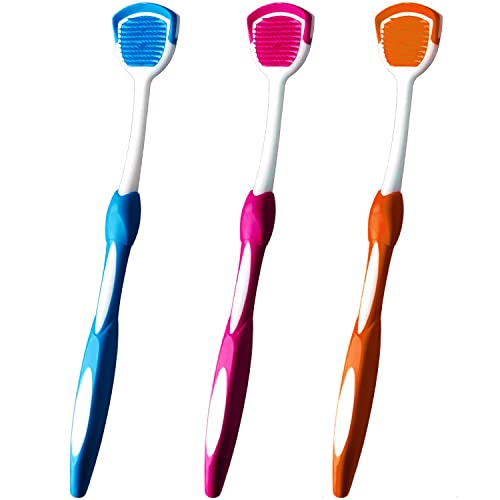
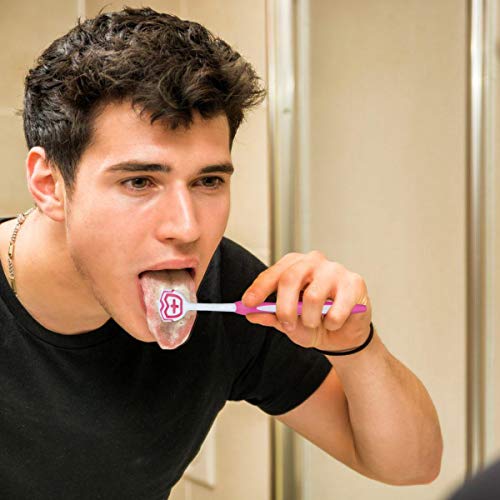
Bad breath (halitosis) is a major driver for consumers seeking solutions, and often, the culprit is the tongue. This is where the Orabrush Tongue Scraper and the standard Tongue Brush come into play. While they might seem similar to the untrained eye, they serve slightly different functions in a daily regimen.
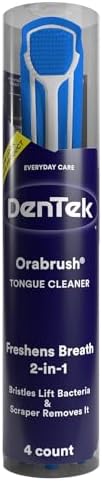
The Orabrush Tongue Scraper is designed with a specific curvature and edge to physically pull biofilm and bacteria off the tongue’s surface. It is a mechanical cleaning tool. On the other hand, a Tongue Brush often features bristles that can massage the tongue while cleaning. For a comprehensive product line, stocking both offers customers a choice between “scraping” (often preferred for deep cleaning) and “brushing” (often preferred for gentler, daily maintenance). [Link to: Tongue Care Solutions]
Interdental Care: The Space Between
If the toothbrush is the broom, interdental tools are the tweezers. They are non-negotiable for preventing gum disease. The market has shifted away from messy floss spools toward more user-friendly, single-use tools.
GUM Soft-Picks Original
The GUM Soft-Picks Original represent the gold standard in soft interdental cleaning. These picks are favored because they are gentle on the gums while being effective at dislodging debris. The rubber tip is flexible, making it ideal for consumers with sensitive gums or those who find traditional floss too abrasive. When sourcing these, look for “original” or “regular” sizes to fit the widest range of interdental spaces.
The GUM Soft-Picks Original represent the gold standard in soft interdental cleaning. These picks are favored because they are gentle on the gums while being effective at dislodging debris. The rubber tip is flexible, making it ideal for consumers with sensitive gums or those who find traditional floss too abrasive. When sourcing these, look for “original” or “regular” sizes to fit the widest range of interdental spaces.
Disposable Interdental Brushes
For slightly larger gaps or for cleaning around braces and bridges, Disposable Interdental Brushes are essential. Unlike the soft pick, these feature a tiny wire brush core. The key selling point here is “disposable” and “hygienic.” Consumers want tools that are easy to carry in a pocket or travel bag and can be discarded after use to prevent bacterial reintroduction.
For slightly larger gaps or for cleaning around braces and bridges, Disposable Interdental Brushes are essential. Unlike the soft pick, these feature a tiny wire brush core. The key selling point here is “disposable” and “hygienic.” Consumers want tools that are easy to carry in a pocket or travel bag and can be discarded after use to prevent bacterial reintroduction.
Sourcing Strategy: Materials and Market Fit
For buyers, the challenge is balancing cost with clinical efficacy.
- Material Quality: Ensure that Disposable Interdental Brushes use coated wires (like gold or silver ion coating) to prevent rust and ensure smoothness.
- Bristle Safety: For GUM Soft-Picks, the elastomer material must be medical-grade to avoid tearing in the mouth.
- Ergonomics: The handle of an Orabrush Tongue Scraper should be non-slip, as it is used in a wet environment.
FAQ About Oral Health
Here we answer the most common questions buyers have regarding these specific hygiene tools.
Q: What is the difference between the Orabrush Tongue Scraper and a Tongue Brush?
A: The Orabrush Tongue Scraper is typically a rigid tool designed to scrape biofilm off the tongue’s surface using a specific edge. A Tongue Brush uses bristles to clean and massage. Scrapers are generally considered more effective for removing the thick coating that causes bad breath.
A: The Orabrush Tongue Scraper is typically a rigid tool designed to scrape biofilm off the tongue’s surface using a specific edge. A Tongue Brush uses bristles to clean and massage. Scrapers are generally considered more effective for removing the thick coating that causes bad breath.
Q: Why are GUM Soft-Picks Original preferred over floss?
A: GUM Soft-Picks Original are often preferred because they are easier to handle and less likely to damage the gums compared to snapping floss. They are also more effective at cleaning the sulcus (the space between tooth and gum) without requiring high dexterity.
A: GUM Soft-Picks Original are often preferred because they are easier to handle and less likely to damage the gums compared to snapping floss. They are also more effective at cleaning the sulcus (the space between tooth and gum) without requiring high dexterity.
Q: Are Disposable Interdental Brushes suitable for sensitive gums?
A: Yes, but wire thickness matters. High-quality Disposable Interdental Brushes come in various gauges (sizes). For sensitive gums, buyers should look for “fine” or “extra-fine” options with plastic-coated wires to prevent scratching the tooth enamel or irritating the gum tissue.
A: Yes, but wire thickness matters. High-quality Disposable Interdental Brushes come in various gauges (sizes). For sensitive gums, buyers should look for “fine” or “extra-fine” options with plastic-coated wires to prevent scratching the tooth enamel or irritating the gum tissue.
Q: Can these products be customized for private labeling?
A: Generally, yes. While items like GUM Soft-Picks are often sold as branded units, many manufacturers offer OEM options for Disposable Interdental Brushes and tongue scrapers, allowing you to customize handle colors and packaging.
A: Generally, yes. While items like GUM Soft-Picks are often sold as branded units, many manufacturers offer OEM options for Disposable Interdental Brushes and tongue scrapers, allowing you to customize handle colors and packaging.
Q: What is the typical shelf life for these products?
A: Since these are mechanical tools (plastic, rubber, wire) rather than chemical ones, they have an indefinite shelf life if stored in a cool, dry place. However, packaging integrity is vital to ensure sterility, especially for the brushes and picks.
A: Since these are mechanical tools (plastic, rubber, wire) rather than chemical ones, they have an indefinite shelf life if stored in a cool, dry place. However, packaging integrity is vital to ensure sterility, especially for the brushes and picks.
Conclusion
Diversifying your dental aisle is about offering solutions, not just commodities. By stocking the right balance of tongue cleaners like the Orabrush Tongue Scraper and precision tools like GUM Soft-Picks Original and Disposable Interdental Brushes, you provide your customers with a complete toolkit for oral health.
Bestseller #1
Bestseller #2

Bestseller #3