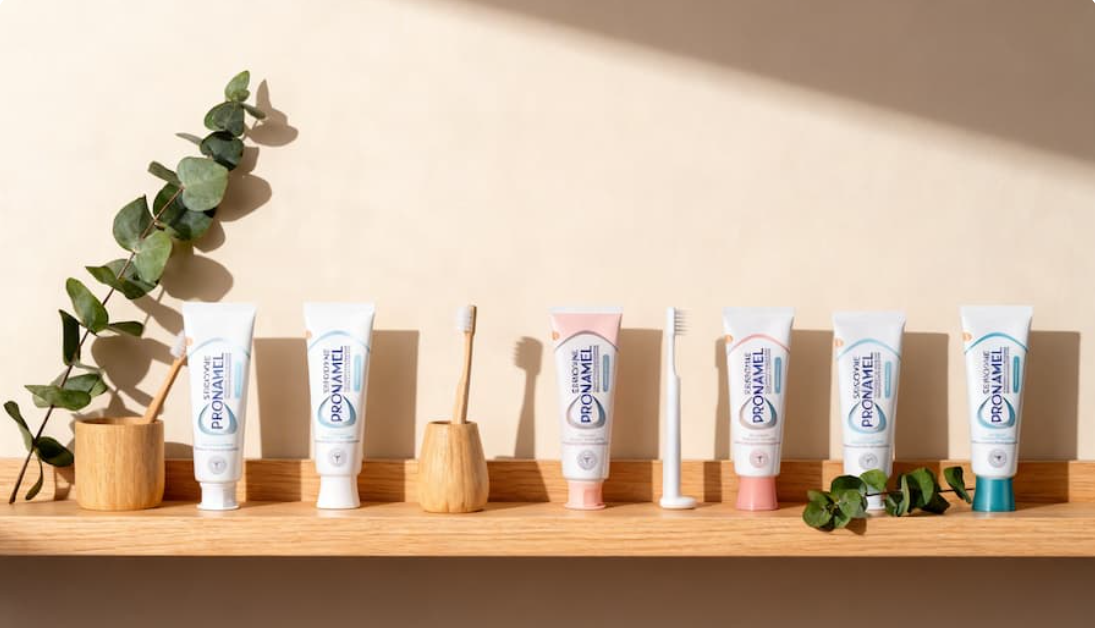

- Four 4 oz tubes of Sensodyne Pronamel Fresh Breath Enamel Toothpaste for Sensitive Teeth, Fresh Wave
- Daily fluoride toothpaste for cavity protection (1)
- Formulated to help strengthen and reharden enamel for stronger, healthier teeth; Helps relieve the pain of sensitive tee…
Teeth Whitening Toothpaste Review: A Buyer’s Guide for 2026
If you’re in the market for oral care products, you’ve likely noticed that teeth whitening remains one of the top demands from consumers. For buyers and store owners, choosing the right teeth whitening toothpaste to stock isn’t just about picking a popular item; it’s about finding a formula that delivers visible results while maintaining safety. Whether you’re sourcing for a chain of drugstores or a boutique health shop, this review will walk you through what actually matters—from ingredients to bulk purchasing considerations.
Let’s start with what your customers really want: effective stain removal without damaging enamel. A high-quality teeth whitening toothpaste typically uses mild abrasives or non-peroxide ingredients like hydrated silica to polish away surface stains from coffee, tea, or tobacco. However, the best products for your catalog go one step further by balancing efficacy with gentleness. This is especially important if you plan to market to a wide audience, as many shoppers today are also searching for a reliable toothpaste for sensitive teeth. In fact, combining whitening power with sensitivity relief is one of the fastest-growing segments in the oral care market.
When evaluating suppliers, it’s helpful to think about the formulation architecture. For instance, some advanced toothpastes use a dual-chamber pump system that separates the whitening agent from the fluoride base until dispensing. This method preserves ingredient potency and offers a premium unboxing experience—something your retail clients will appreciate. [Link to: Product Catalog – Oral Care]
Another critical factor in this teeth whitening toothpaste review is the user experience regarding flavor and texture. Natural mint flavors tend to perform best across demographics, while gel-based formulas are often perceived as more effective than traditional pastes. If you’re targeting the luxury or eco-conscious segment, look for options with recyclable packaging and plant-based ingredients. These subtle details can become powerful selling points for your B2B customers.
Of course, no review for buyers is complete without discussing supply chain reliability. Whether you need a private label formula or a stock product, consistency in viscosity and pH levels ensures that the product feels the same from batch to batch. A reputable manufacturer will provide certificates of analysis and stability test data. [External Link: FDA Cosmetic Labeling Guide]
FAQ About Teeth Whitening Toothpaste
Q: What is the typical MOQ for a private label teeth whitening toothpaste?
A: Minimum Order Quantities (MOQ) usually range from 5,000 to 10,000 units for custom formulations or fully customized packaging. For existing stock products with standard branding, some manufacturers allow MOQs as low as 1,000 units, which is ideal for small retailers testing the market.
Q: Are whitening toothpastes safe for customers with sensitive teeth?
A: Yes, but it depends on the formula. Look for a toothpaste for sensitive teeth that contains potassium nitrate or stannous fluoride to block pain signals. When sourcing, ask suppliers for abrasivity (RDA) test reports to ensure the formula is gentle enough for daily use while still providing whitening benefits.
Q: What certifications should I ask for regarding quality stability?
A: For international markets, request ISO 22716 (GMP) certification and stability test reports (typically 3-month accelerated stability). If the product is marketed for sensitive teeth, clinical study summaries or dermatological test reports add significant value and trust for your downstream customers.
Q: What are the common safety risks with whitening toothpaste?
A: The main risk is over-abrasion, which can erode enamel over time. High-quality suppliers avoid this by using non-abrasive whitening agents like sodium bicarbonate or low-concentration hydrogen peroxide (where legally permitted). Always check the formulation to ensure it complies with local cosmetic or OTC drug regulations in your target market.
Q: How long does lead time usually take for bulk orders?
A: For stock products without customization, lead time is often 15–25 days. If you require custom packaging or a unique formula, expect 30–45 days after sample approval. Always confirm lead times in your contract, especially if you are ordering during peak seasons like Q3.
In summary, this teeth whitening toothpaste review highlights that the best products for your store are those that effectively remove stains while offering a solution for customers with sensitive teeth. By focusing on formulation integrity, packaging innovation, and supplier transparency, you can build a product lineup that keeps repeat buyers coming back.