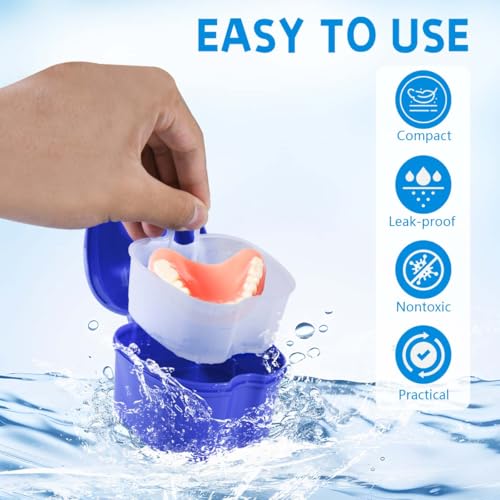

- Material: Denture both case made of PP material. Environmentally friendly, non-toxic, durable.
- Basket with Hole: Large holes allow you to easily and quickly take out dentures, without touching your cleaning solution…
- Basket with Hook: Double hook hung on the case, let the solution on the denture flow easy into the case, filtrating and …
$6.98
Stocking Success: A Strategic Guide to Sourcing Denture Care Essentials
Navigating the dental hygiene aisle can feel overwhelming for the average consumer, but for B2B buyers and distributors, it is a landscape of opportunity. The market for senior care and dental prosthetics is growing, and with it, the demand for high-quality maintenance products. When you are curating a catalog, you aren’t just looking for items; you are looking for solutions that offer reliability, safety, and repeat purchase value.
To build a robust product lineup, you need to understand the nuances of the “Big Five” categories: the hardware of storage and cleaning, and the chemistry of maintenance. This guide focuses on helping you select the right Denture Bath Case Cup Box, Denture Brush, denture cleaning tablets, denture adhesive, and denture toothpaste to meet international standards and consumer expectations. [Link to: Dental Care Category Overview]
The Hardware: Durability Meets Design
When sourcing physical tools, durability and material safety are your primary metrics. These are the items that sit on a customer’s bathroom sink every day, meaning they must withstand daily handling and potential drops.
The Denture Bath Case Cup Box
Often overlooked, the storage case is the first line of defense for denture wearers. A high-quality case isn’t just a plastic container; it is a secure vault. When evaluating suppliers, look for cases made from food-grade, BPA-free polypropylene (PP). This ensures the plastic won’t leach chemicals into the soaking water.
Often overlooked, the storage case is the first line of defense for denture wearers. A high-quality case isn’t just a plastic container; it is a secure vault. When evaluating suppliers, look for cases made from food-grade, BPA-free polypropylene (PP). This ensures the plastic won’t leach chemicals into the soaking water.
Key features to prioritize include a secure screw-top or snap-lock lid to prevent leaks during travel, and a built-in strainer basket. The basket allows users to rinse their teeth directly over the sink without the risk of dropping them into the drain—a common and costly accident. [Link to: Custom Packaging Solutions]
The Denture Brush
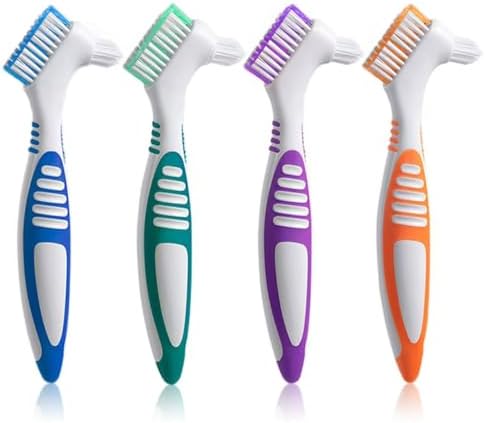
Next, consider the Denture Brush. It is crucial to distinguish this from a standard toothbrush. Denture acrylic is softer than natural enamel, and metal clasps (on partial dentures) require specific care. A superior brush should feature a dual-head design: a larger tufted head for broad cleaning surfaces and a smaller, pointed tip for reaching crevices and clasps.
Next, consider the Denture Brush. It is crucial to distinguish this from a standard toothbrush. Denture acrylic is softer than natural enamel, and metal clasps (on partial dentures) require specific care. A superior brush should feature a dual-head design: a larger tufted head for broad cleaning surfaces and a smaller, pointed tip for reaching crevices and clasps.
Bristle stiffness is a balancing act. They must be firm enough to remove plaque and food debris but soft enough to avoid scratching the denture base. Scratches can harbor bacteria, leading to bad odors and hygiene issues for the end-user.
The Chemistry: Consumables and Compliance
While hardware brings customers in, consumables keep them coming back. Sourcing chemical products requires strict attention to regulatory compliance and formulation safety.
Denture Cleaning Tablets
These effervescent tablets are the gold standard for deep cleaning. They penetrate areas that brushing misses, killing bacteria and removing stains. When sourcing denture cleaning tablets, look for oxygen-based formulations. These are generally safer for the denture material than harsh abrasives or bleach-based alternatives.
These effervescent tablets are the gold standard for deep cleaning. They penetrate areas that brushing misses, killing bacteria and removing stains. When sourcing denture cleaning tablets, look for oxygen-based formulations. These are generally safer for the denture material than harsh abrasives or bleach-based alternatives.
Packaging is also a logistical consideration. Ensure the foil wrapping is high-quality to prevent the tablets from degrading due to humidity before they reach the customer. A stable shelf life is non-negotiable for long-distance shipping. [External Link: ISO 10993 Biocompatibility Standards]
Denture Adhesive
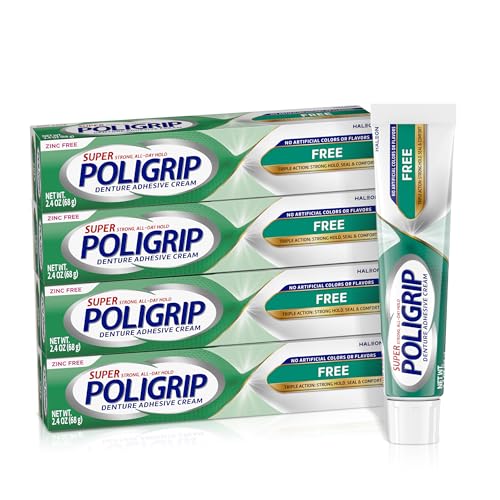
Confidence is the main selling point here. A user’s fear of slipping dentures is alleviated by a strong denture adhesive. Whether you stock creams, powders, or strips, the adhesive must provide a strong seal without being difficult to remove at the end of the day.
Confidence is the main selling point here. A user’s fear of slipping dentures is alleviated by a strong denture adhesive. Whether you stock creams, powders, or strips, the adhesive must provide a strong seal without being difficult to remove at the end of the day.
Currently, “zinc-free” formulations are the industry preference, addressing health concerns regarding long-term zinc absorption. A good adhesive acts as a cushion, reducing gum irritation from chewing, which is a key marketing angle for your sales team.
Denture Toothpaste
Finally, we have denture toothpaste. It is a common misconception that regular toothpaste is fine for dentures. In reality, standard pastes are often too abrasive and can damage the acrylic. Specialized denture toothpaste is formulated to be non-abrasive while effectively neutralizing odors.
Finally, we have denture toothpaste. It is a common misconception that regular toothpaste is fine for dentures. In reality, standard pastes are often too abrasive and can damage the acrylic. Specialized denture toothpaste is formulated to be non-abrasive while effectively neutralizing odors.
When selecting a supplier, pay attention to flavor profiles. Users prefer pastes that don’t leave a gritty residue and offer fresh, long-lasting mint or herbal flavors without the “burn” of strong whitening agents.
Quality Control and Sourcing Strategy
For buyers, the challenge lies in balancing cost with compliance.
- Material Safety: Ensure all plastics (cases) and brushes meet FDA or EU food-contact standards.
- Chemical Safety: Adhesives and tablets should ideally be ISO 10993 certified (biocompatibility).
- Packaging: For private labeling, ensure the supplier can handle custom molds for the Denture Bath Case Cup Box and high-quality printing for tubes and boxes.
FAQ About Denture Bath Case Cup Box, Denture Brush, denture cleaning tablets, denture adhesive, denture toothpaste
Here we answer the most common questions buyers have regarding these essential dental products.
Q: What materials are safest for the Denture Bath Case Cup Box?
A: The safest and most durable cases are made from Polypropylene (PP) or ABS plastic. These materials are impact-resistant (won’t shatter if dropped) and should always be certified BPA-Free to ensure no harmful chemicals leach into the water where the dentures are stored.
A: The safest and most durable cases are made from Polypropylene (PP) or ABS plastic. These materials are impact-resistant (won’t shatter if dropped) and should always be certified BPA-Free to ensure no harmful chemicals leach into the water where the dentures are stored.
Q: How do I ensure the quality of Denture Cleaning Tablets?
A: Quality is determined by the dissolution rate and the active ingredients. High-quality denture cleaning tablets should dissolve completely within 5–10 minutes in warm water without leaving a gritty residue. Look for formulations that use sodium bicarbonate and citric acid for a safe, effervescent clean.
A: Quality is determined by the dissolution rate and the active ingredients. High-quality denture cleaning tablets should dissolve completely within 5–10 minutes in warm water without leaving a gritty residue. Look for formulations that use sodium bicarbonate and citric acid for a safe, effervescent clean.
Q: What is the difference between regular toothpaste and Denture Toothpaste?
A: Regular toothpaste contains abrasives (like silica) designed to polish natural enamel. These are too harsh for denture acrylic and can cause micro-scratches. Denture toothpaste uses low-abrasion cleaning agents that remove plaque without damaging the denture surface.
A: Regular toothpaste contains abrasives (like silica) designed to polish natural enamel. These are too harsh for denture acrylic and can cause micro-scratches. Denture toothpaste uses low-abrasion cleaning agents that remove plaque without damaging the denture surface.
Q: Can I get custom branding on the Denture Brush and Case?
A: Yes. Most manufacturers offer OEM services. You can customize the handle color of the Denture Brush and the print/logo on the Denture Bath Case Cup Box. This is highly recommended for creating a cohesive brand identity.
A: Yes. Most manufacturers offer OEM services. You can customize the handle color of the Denture Brush and the print/logo on the Denture Bath Case Cup Box. This is highly recommended for creating a cohesive brand identity.
Q: What is the typical shelf life for Denture Adhesive?
A: Generally, unopened denture adhesive (creams or powders) has a shelf life of 24 to 36 months. However, once opened, creams should be used within a few months to prevent drying out or bacterial contamination.
A: Generally, unopened denture adhesive (creams or powders) has a shelf life of 24 to 36 months. However, once opened, creams should be used within a few months to prevent drying out or bacterial contamination.
Conclusion
Building a comprehensive denture care catalog requires a mix of durable hardware and effective consumables. By focusing on the material safety of the Denture Bath Case Cup Box, the ergonomic design of the Denture Brush, and the chemical formulation of denture cleaning tablets, denture adhesive, and denture toothpaste, you ensure your customers have everything they need for a healthy, confident smile.
Ready to upgrade your inventory? Contact our team today to request samples and discuss your private label options.
Bestseller #1
Bestseller #2
Bestseller #3

Bestseller #4