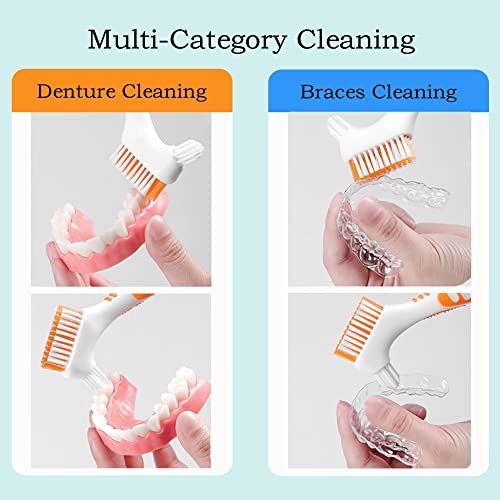
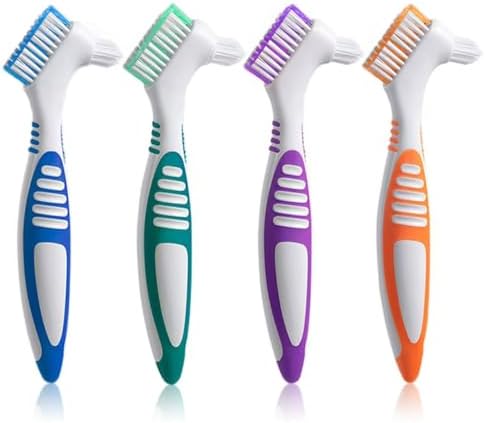
- High quality material: Our Octuitey denture brushes are recommended by dentists,hard and flexible,not easily deformed,mo…
- Perfect size: Double head design for full cleaning of dentures and braces. Large and small brush heads for double cleani…
- Easy to use: Our denture cleaning brush has a cleverly designed rubber handle that is easy to use. The multi-layered bri…
$6.99
Your Ultimate Guide to Denture Care: How to Keep Your Smile Bright and Healthy
Waking up and looking in the mirror should be a confident experience. Whether you have just gotten your first set of teeth or you are a seasoned pro, maintaining them is about more than just hygiene—it’s about preserving your investment and your self-esteem. Proper denture care doesn’t have to be a chore. In fact, with the right routine and tools, keeping your prosthetics in top shape can be as simple as your morning coffee ritual. Let’s dive into the best practices to keep your smile sparkling.
🦷 The Morning Routine: Start Fresh
Just like natural teeth, your prosthetics need a gentle wake-up call. Overnight, bacteria can accumulate, leading to that “morning mouth” feeling. Start by rinsing them under lukewarm water. Avoid hot water, as extreme temperatures can warp the acrylic base, ruining the fit.
Once rinsed, it’s time to brush. You might be tempted to grab your regular toothpaste, but hold on! Standard toothpaste often contains abrasives designed for enamel, which can scratch the softer material of your dentures. Instead, use a specific denture toothpaste or a mild soap. These are formulated to clean without scratching. Pair this with a soft-bristled denture brush. These brushes are designed to reach into the nooks and crannies of the teeth and the pink base without causing damage.
Pro Tip: Always place a towel in the bottom of the sink or fill it with a few inches of water before cleaning. If they slip from your soapy hands, the towel acts as a cushion to prevent breakage.
🧼 Deep Cleaning: The Power of Soaking
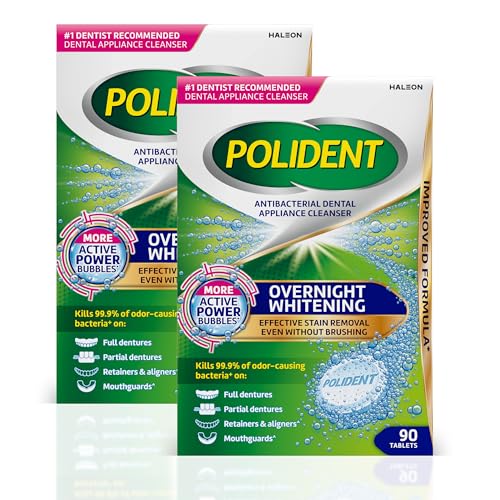
Brushing removes food particles and plaque, but soaking is what tackles the stains and sanitizes the surface. This is where a high-quality denture cleaner comes into play. Think of this as the “deep conditioning” treatment for your teeth.
Effervescent tablets are popular because they fizz away debris in hard-to-reach areas. Soaking also helps keep the material hydrated, preventing it from drying out and becoming brittle. If you wear your teeth all day, try to find at least 15 minutes to soak them, or do a deep soak overnight if you take them out while sleeping.
[Link to: Shop Denture Cleaners & Soaking Solutions]
🛡️ Security and Comfort: Adhesives and Handling
For many, the biggest worry is slippage while eating or laughing. A reliable denture adhesive can provide that extra layer of security, boosting your confidence to eat an apple or tell a joke without worry. However, remember that adhesives are a supplement, not a fix for ill-fitting teeth. If you find yourself using excessive amounts of adhesive, it might be time to visit your dentist for a reline.
When applying adhesive, less is often more. A few small dots or a thin strip are usually sufficient. If it oozes out from the edges, you’ve used too much.
🎒 On the Go: The Importance of a Denture Care Kit
Life happens, and sometimes you need to clean your teeth away from home. This is why having a portable denture care kit is a game-changer. A good kit usually includes a travel-sized brush, a small container for soaking, and perhaps some wipes for a quick freshen-up.
Keeping a kit in your bag or car ensures you are never caught off guard after a meal. It’s a small accessory that offers peace of mind, ensuring you can maintain your hygiene standards whether you are at a business lunch or a dinner date.
[Link to: Travel Denture Care Kits]
🌙 Nighttime Care: Let Your Gums Rest
Unless your dentist advises otherwise, it is generally recommended to take your dentures out at night. This gives your gum tissue a chance to recover from the pressure of the day and improves blood circulation.
When storing them overnight, never let them dry out. Place them in a container filled with water or a mild soaking solution. This prevents them from warping. While they are soaking, take a moment to gently massage your gums with a soft cloth or a gum stimulator to keep the tissue healthy.
FAQ About Denture Care
Here are some common questions buyers often ask about maintaining their dental prosthetics.
1. Can I use regular toothpaste to clean my dentures?
It is generally not recommended. Regular toothpaste is often too abrasive for the acrylic or porcelain used in dentures. Over time, these abrasives create microscopic scratches where bacteria and stains can hide. It is best to stick to a non-abrasive denture toothpaste or mild dish soap.
2. How often should I replace my denture brush?
Just like a regular toothbrush, a denture brush wears out. The bristles can become frayed and less effective at removing plaque. You should aim to replace your brush every 3 to 4 months, or sooner if you notice the bristles look worn.
3. Is it safe to use bleach to whiten my teeth?
No, you should avoid using bleach. While it might seem like a quick fix for stains, bleach can weaken the structure of the acrylic, leading to cracks or breakage. It can also discolor the pink gum portion of the prosthetic. Stick to a specialized denture cleaner designed to whiten safely.
4. What should I look for in a denture adhesive?
Look for an adhesive that offers strong hold but is easy to remove. Zinc-free formulas are often preferred as they are safer for long-term use. If you have sensitive gums, look for adhesives labeled “cushioning” to provide extra comfort.
5. Why do I need a specific denture care kit?
A dedicated kit keeps your hygiene tools organized and sanitary. Using a specific container prevents your prosthetics from being lost or damaged while traveling. Plus, having a denture care kit ensures you always have the right tools—like a brush and storage case—handy, rather than improvising with napkins or tissues.
Bestseller #1

Bestseller #2

Bestseller #3